
Choosing a Device
How to Choose a Red Light Device Without Chasing Hype
Choose a red light device by verifying the exact model, dimensions, posture, controls, manual, warranty, and measurement method. Then check whether research claims match the same wavelength, irradiance, dose, body area, and population. A 2025 pilot measured five home devices and found inconsistent optical performance and consumer instructions, so precise-looking numbers still need a traceable method.
In this guide
A good product page should let you reconstruct the routine and verify the numbers.
- Confirm the exact model and physical fit
- Ask how output was measured
- Match research to the same protocol and body area
Evidence snapshot
Measured output and consumer instructions were heterogeneous and sometimes inconsistent.
Only 34% of device reports included every reviewed operating parameter.
This was the most frequently missing parameter in the 2024 review.
01
Verify the product identity first
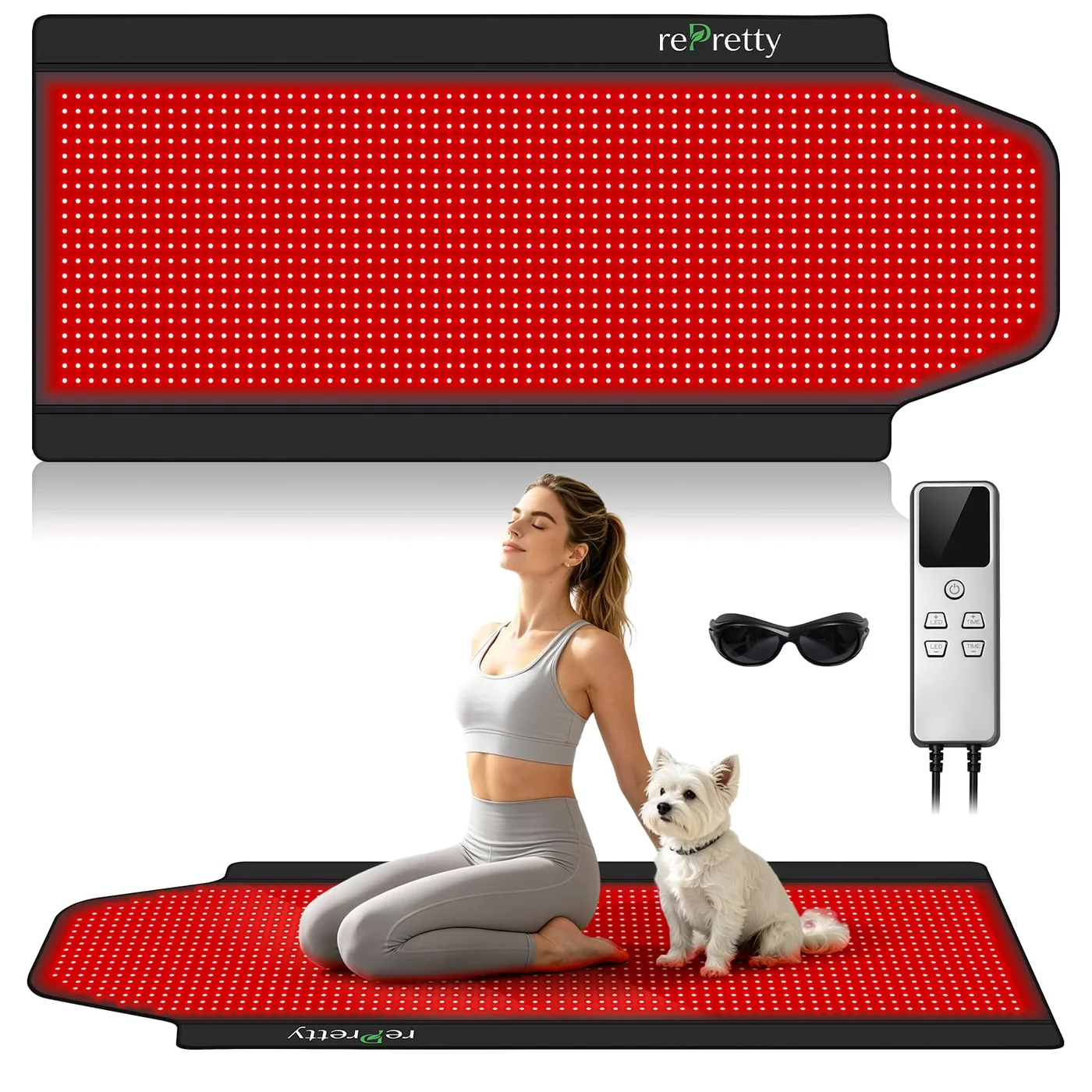
Look for an exact model or ASIN, real dimensions, weight, wavelength bands, operating modes, intensity levels, timer range, included accessories, manual, warranty, and a support route. Product photos should show the same size and controller that the customer will receive.
For Amazon purchases, price, stock, delivery, rating, and return eligibility should be checked on the current listing because those values change faster than a brand article.
02
Ask how every output number was measured
A useful irradiance claim identifies the exact finished model, instrument, distance or contact condition, mode, power level, warm-up time, and measurement positions. A single number without those details is difficult to compare across devices.
A 2025 pilot that tested five home PBM devices measured power, irradiance, beam divergence, exposure area, and temperature. It found heterogeneous performance and inconsistencies between measured dosimetry and consumer instructions.
03
Do not mistake missing parameters for zero
A 2024 review of 97 brain PBM studies found that only 34% of device reports included every reviewed operating parameter. Energy per session was missing in 52%, energy density in 33%, power output in 30%, and treatment area in 26%.
Incomplete reporting is common even in published research. A consumer comparison should therefore label missing data as unknown rather than quietly inventing it or treating it as zero.
04
Match the device to the routine
Measure the use surface and storage path. Check controller reach, cable routing, posture, direct contact, session setup, cleaning, and how often furniture has to move. The device that fits the routine is more likely to be used consistently than the device with the largest headline specification.
- Mat: supported broad coverage and fold-away storage.
- Panel: upright non-contact use at a repeatable distance.
- Belt or wrap: smaller targeted area with more movement.
- Handheld: manual positioning for a small area.
05
Use a seven-point buying check
Before checkout, confirm the model, body position, dimensions, complete controls, measurement method, manual and precautions, warranty, and the actual transaction route. Slow down when a page relies on unnamed studies, universal penetration claims, certification logos without reports, or one output number without a method.
Decision table
Seven checks before checkout
A complete product record should answer each question without requiring guesswork.
References
Sources
- 01Photobiomodulation LED Devices for Home Use: Design, Function and Potential
Optical testing of five home-use devices found heterogeneous performance and instructions.
- 02Devices Used for Photobiomodulation of the Brain: A Comprehensive Review
Parameter-reporting completeness across 97 studies.
- 03American Academy of Dermatology: Is Red Light Therapy Right for Your Skin?
Consumer guidance on devices, expectations, and safety questions.
Continue learning
Related guides
Use the next guide to answer the practical question that follows from this one.
Need a format starting point?